Executive Summary
- Smart home electrical solutions incorporate cutting-edge technology into residences to achieve convenience, safety, and energy efficiency, while enhancing property value.
- Some examples of upgrades that may require smart home electrical wiring include automated lighting, remote-controlled outlets and switches, motion-detecting security systems, and energy management devices.
- Nearly all smart home electrical solutions rely on professionally installed wiring, seamless communication between systems, and the integration of various safety measures.
- Successful smart home electrical installations involve carefully planning, having components professionally installed, and selecting scalable systems that can adapt to future technological advancements.
Experiencing the Benefits of Smart Home Electrical Solutions
Smart home devices are rapidly gaining popularity due to the convenience, comfort, and increased property value that homeowners experience after smart home electrical installation. In fact, revenue in the smart home market is projected to grow at a compound annual growth rate (CAGR) of 9.55% between 2025 and 2029.
If you own a home, especially in a competitive housing market like the one found in the Portland metropolitan area, consider smart home electrical solutions to enhance your property’s value. Even if you are not planning to sell your home anytime soon, these upgrades can help you get the most out of your real estate investment in the long run and make residing at the property as comfortable, safe, and convenient as possible.
Whether you are looking to install voice-activated lighting, real-time energy tracking, or a similar feature, smart home electrical wiring is likely to be a part of that process, making it essential to consult with qualified electricians so you know what to expect.
This guide explains what smart home electrical solutions are, how they work, where to use them, and why hiring professionals is vital to the installation process.
What Is a Smart Home?
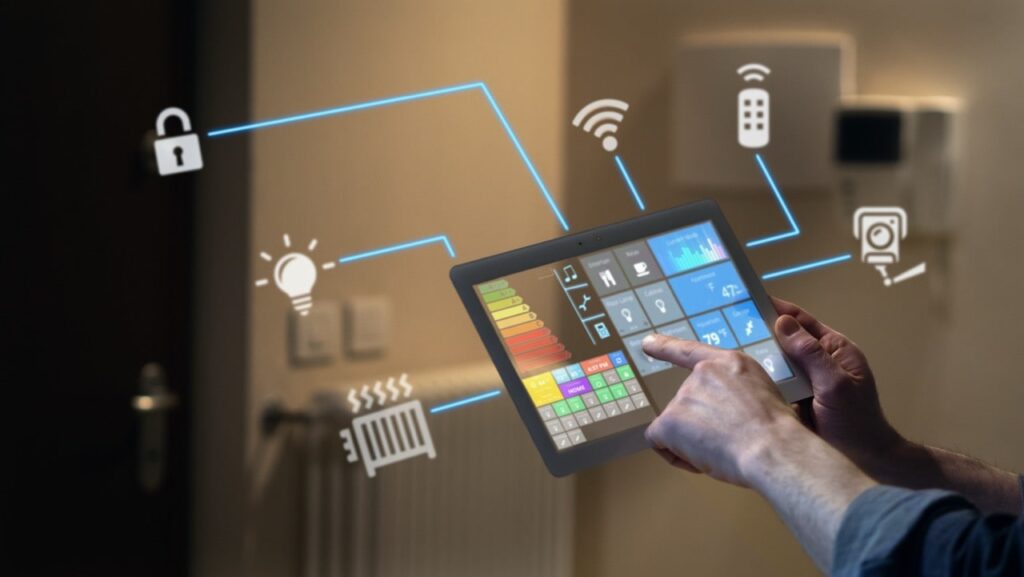
A smart home is a property equipped with electrical systems and devices that are designed for automation, customization, monitoring, and remote control. These systems connect everyday electrical components, such as lights, switches, outlets, thermostats, and security cameras, to a central network or app through advanced wiring and communication protocols.
As a result, homeowners can issue just a few taps or commands using a smartphone, voice assistant, or central hub to manage various aspects of their electrical system.
Key Components of a Smart Home
Some features and devices you may find in a smart home in Portland, OR, include:
- Automated lighting that adjusts to schedules or occupancy sensors
- Energy-monitoring outlets
- Remote-controlled switches
- Smart thermostats that adjust temperature settings after learning habits
- Energy management systems that optimize electricity consumption
- Security systems with cameras, motion detectors, locks, and real-time monitoring
What is the Purpose of a Smart Home?
Smart home electrical solutions offer a practical way to modernize a home’s infrastructure, protect the property, and streamline routines. In short, the goal of a smart home is to enhance comfort, convenience, and efficiency, while also potentially increasing the property’s resale value.
With devices, lights, outlets, and climate control systems all communicating seamlessly, your home will be both smarter and safer. Power-monitoring and schedule-accommodating smart home devices can further safety and sustainability efforts by giving homeowners greater control over how and when energy is used.
How Smart Home Electrical Solutions Work
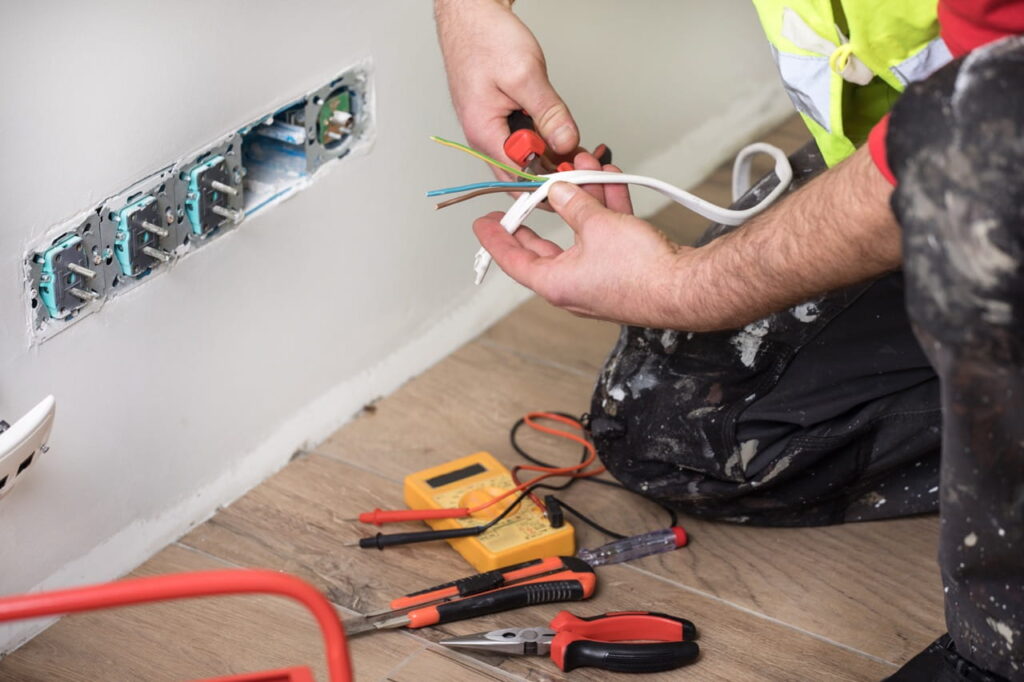
There is a complex network of electrical and communication systems behind the sleek, user-friendly app interfaces and worry-free, automated lighting scenes of a smart home. To ensure everything works properly and safely, it is essential to opt for professional electrical installation, as qualified electricians can help with the aspects below.
Complex Wiring
Smart home electrical wiring is the foundation for all the devices you integrate afterward, and therefore. To ensure each device communicates properly, it is crucial to rely on a qualified professional.
Licensed electricians have the training, experience, and tools needed to design and install features like:
- Circuits
- Smart switches
- Control panels
- Network connections
In addition to ensuring functionality, proper smart home electrical installation guarantees that every system passes inspections and is code-compliant, while supporting future upgrades and preventing hazards, such as overloading or faulty connections.
System Integration
Once installed, smart home devices may communicate through various avenues, such as:
- Wi-Fi
- Zigbee
- Z-Wave
- Bluetooth
Through the networks above, smart home devices are usually connected to a central hub or app. This integration enables the home’s inhabitants to turn off lights, lock doors, and adjust the thermostat with a single tap or command.
It is worth noting that not all smart home elements need to come from the same manufacturer. Electricians can integrate multiple brands and platforms to ensure seamless operation throughout the entire home.
Safety Measures
Smart home systems may seem solely digital to people who only see the user interface; however, they are still powered by high-voltage electrical infrastructure. Therefore, it is advisable to rely on professional installation and maintenance services to minimize the risk of short circuits, electrical fires, and device malfunctions.
Many smart home electrical components feature built-in surge protection, grounding, and real-time alerts for issues such as overheating or power loss, ensuring your property remains safe.
Why Are Smart Home Features So Valuable?
Integrating smart home features is a great way to upgrade your residential property and add measurable value to your home and daily life in the following ways.
Convenience & Control
After smart home electrical installation, many homeowners can control their lights, appliances, and thermostat from anywhere using a smartphone or voice assistant. This can come in handy if you ever need to turn off forgotten lights in your office or warm up your living room before returning from a long trip.
In summary, smart systems eliminate guesswork and simplify home management, making them particularly beneficial for busy families or frequent travelers.
Energy Efficiency
Automated systems are designed to use energy only when needed. For instance, smart lighting can dim or shut off automatically when sensors detect that you have left the room. As another example, smart thermostats can learn your sleep and work schedules to optimize heating and cooling accordingly.
With real-time energy monitoring, homeowners can easily identify which actions or appliances are consuming the most electricity, enabling them to reduce their monthly bills and manage their environmental footprint.
Safety & Reliability
Smart home systems have been known to enhance household safety by detecting potential hazards early on. Some examples of smart home devices that promote awareness and control are:
- Smoke and carbon monoxide detectors that send out alerts
- Smart locks that can be remotely controlled
- Video doorbells that record footage
- Surveillance cameras that offer real-time viewing
When combined with professional installation, the smart systems above will operate reliably and help you protect your real estate investment.
Customizable Experience
According to the Census Reporter, there are approximately 1,077,557 housing units in the Portland metro area, and no two homes or homeowners are the same. That is why smart electrical systems are customizable and can be tailored to fit your lifestyle. Whether you want voice-controlled ambient lighting, automated blinds, or a smart charging station for your electric vehicle (EV), an experienced electrician should be able to scale your smart home electrical solutions to meet your needs, even as they evolve.
Where to Integrate Smart Home Systems
Smart home technology can be integrated throughout your home, but certain spaces deliver more noticeable improvements in terms of comfort and efficiency.
Top Applications
The table below highlights some of the top ways homeowners utilize smart home electrical solutions to enhance convenience, safety, and energy efficiency.
| Application | Description |
| Lighting control | Allows for the creation of lighting scenes, automatic brightness adjustment, and the illusion of occupancy while away |
| Smart outlets | Cuts phantom power usage, turning devices off remotely |
| Climate control | Thermostats can maintain ideal temperatures after learning habits and offer zoned heating and cooling |
| Security systems | Links together cameras, motion sensors, and smart locks to deliver real-time alerts, offering peace of mind |
| Energy monitoring | Displays energy usage for individual circuits or appliances, helping homeowners manage utility bills |
New Builds & Renovations
In general, smart home electrical installation is most common and straightforward when it is done in conjunction with new construction or remodeling projects. Pre-wiring for smart systems is the easiest way to get a clean, integrated look and eliminate the need for visible adapters or retrofits later.
Nevertheless, existing homes can still be upgraded in a minimally invasive way through wireless smart devices and selective rewiring. These routes are cost-effective approaches for homeowners looking to modernize without a complete renovation.
Check Compatibility
Before installation, you should do your due diligence to ensure that your chosen smart devices and hubs are compatible. Consult your professional electrician about product integrations, Wi-Fi requirements, and load capacities to ensure uninterrupted communication between systems.
Installation Tips
Upgrading your home with smart home electrical solutions requires planning, precision, and expertise. Some examples of tips that can help you ensure a successful installation process are:
- Take time to plan – Start by defining what you want your smart home to do, such as offer energy savings, security, or comfort. Then, prioritize systems that fit your needs and budget.
- Get a head start – Mapping out zones, circuits, and automation scenes early can make it easier for your electrician to design an efficient setup.
- Hire professionals – Avoid DIY for smart home electrical installation. Licensed electricians ensure your smart devices are installed safely, circuits are properly rated, and wiring meets National Electrical Code (NEC) standards.
- Consider scalability – Technology evolves quickly, so you should choose scalable systems that allow you to add new devices or integrate future platforms without needing to rewire your home.
Upgrade Your Home with Smart Systems
In addition to adding comfort, convenience, and potential energy savings to your daily life, smart home electrical installation can also facilitate real estate transactions. To prove this, Coldwell Banker, a global real estate franchise, surveyed individuals currently using smart home technology, and the results showed that 81% were more likely to buy a smart home in the future.
Maximize the value of your property by investing in smart home electrical solutions, such as automated lighting, smart thermostats, and energy management systems. No matter which features you are interested in installing, turn to Alpha Electrical for reliable smart home electrical wiring.
Our licensed electricians in the Portland metro area specialize in a wide range of residential electrical services, including the installation, troubleshooting, and preventive maintenance of smart home components. With our help, you can ensure your smart home electrical solutions are safe, scalable, and seamlessly integrated with your home’s existing infrastructure.
If you are ready to make your home smarter, safer, and more efficient, contact Alpha Electrical today to see how we can help with your smart home electrical installation or wiring project.