Key Takeaways
- Having a licensed electrician inspect your property is the best way to ensure compliance with local and national electrical codes, including NFPA 70, which sets the standard for safe electrical design in U.S. buildings.
- Code-compliance electrical inspections include visual and functional assessments, in-depth diagnostic testing, and the delivery of a detailed report with recommended corrective actions.
- Routine electrical inspections can protect occupants from hidden hazards, reduce liability-related risk, prevent costly electrical failures, and support long-term operational reliability.
- Electrical code-compliance services should be prioritized by both commercial and residential property owners, high-risk facilities, and anyone planning renovations or new construction.
Why Electrical Inspections Are Essential
Sometimes, property owners neglect their electrical systems because they are out of sight and may appear to work fine on the surface. However, hard-to-detect issues such as faulty wiring, overloaded circuits, and outdated components can lead to electrical fires, equipment damage, and power failures if left unaddressed.
Regularly scheduling code-compliance electrical inspections is an easy and effective way to identify risks early and prevent them from escalating. In addition to promoting safety and preventing property damage, professional inspections help property owners avoid legal complications by verifying compliance with electrical codes, including NFPA 70, which is updated roughly every three years.
Since electrical codes are continually updated to reflect improved safety standards, new technologies, and evolving usage demands, some systems that were compliant decades ago may no longer meet today’s requirements. Therefore, electrical code-compliance services are especially important after renovations, expansions, or equipment upgrades.
The guide below explains how inspections ensure electrical code compliance and why investing in them is one of the best ways for property owners to protect occupants, property, and operations.
Understanding Electrical Inspections
An electrical inspection is a systematic evaluation of a building’s electrical system to ensure it is safe, reliable, and compliant with current safety standards. They are performed by licensed professionals who thoroughly understand both the technical and regulatory aspects of electrical systems.
During this type of inspection, the professional goes beyond identifying obvious, surface-level problems to identify hidden issues. The three main goals of an electrical inspection are:
- Catching potential hazards before they cause damage or injury
- Preventing malfunctions that can result in downtime or costly repairs
- Confirming that the system meets local, state, and national electrical codes
By accomplishing the three goals above, electrical inspections can support both safety and long-term system performance.
Key Components Reviewed During Electrical Inspections
Some key components electricians typically evaluate during code-compliance electrical inspections are:
- Circuit breakers and fuses
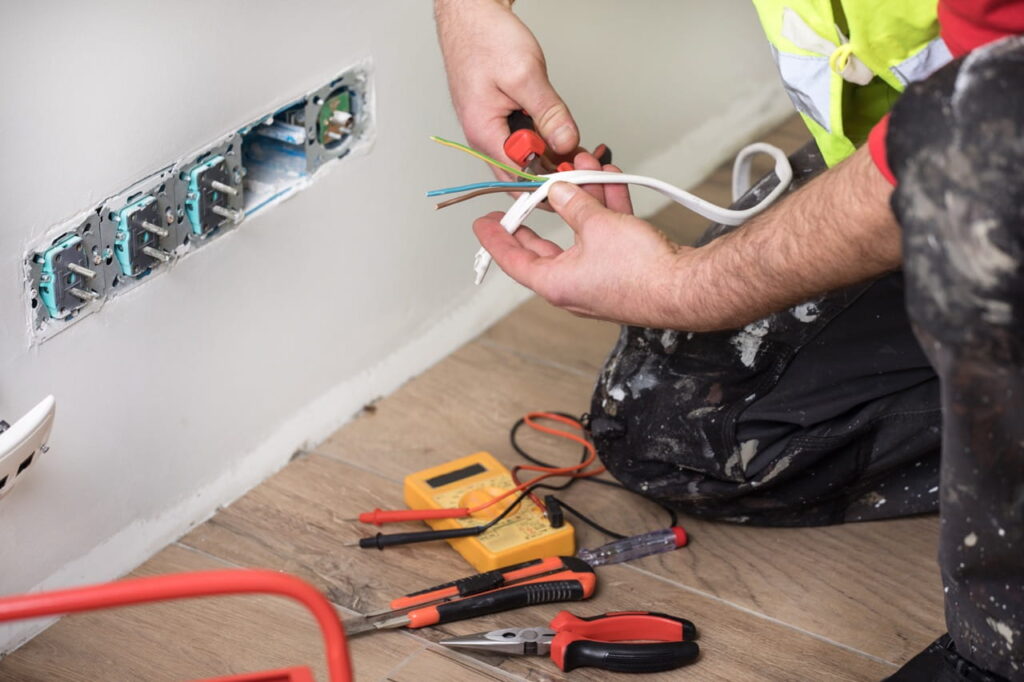
- Electrical wiring and connections
- Grounding and bonding systems
- Safety devices, such as GFCIs and AFCIs
- Service panels and subpanels
- Switches, outlets, and fixtures
Each of the components above is reviewed for proper installation, condition, and compliance with current codes.
The Electrical Inspection Process
Although electrical code compliance services may vary slightly by property, inspectors typically work through the four steps below when conducting an electrical inspection.
1. Thorough Assessment
Licensed electricians usually start the inspection process with a detailed visual and functional assessment, examining visible wiring, panels, and devices. They also take this time to review the overall electrical layout and load capacity.
Some examples of things inspectors will look for during this step are:
- Visible indications of wear
- Signs of improper installation
- Overloaded circuits
- Materials that may no longer meet modern standards
This initial assessment is essential for establishing a baseline understanding of the system’s condition and guiding the more intricate testing in step two.
2. Testing & Diagnostics
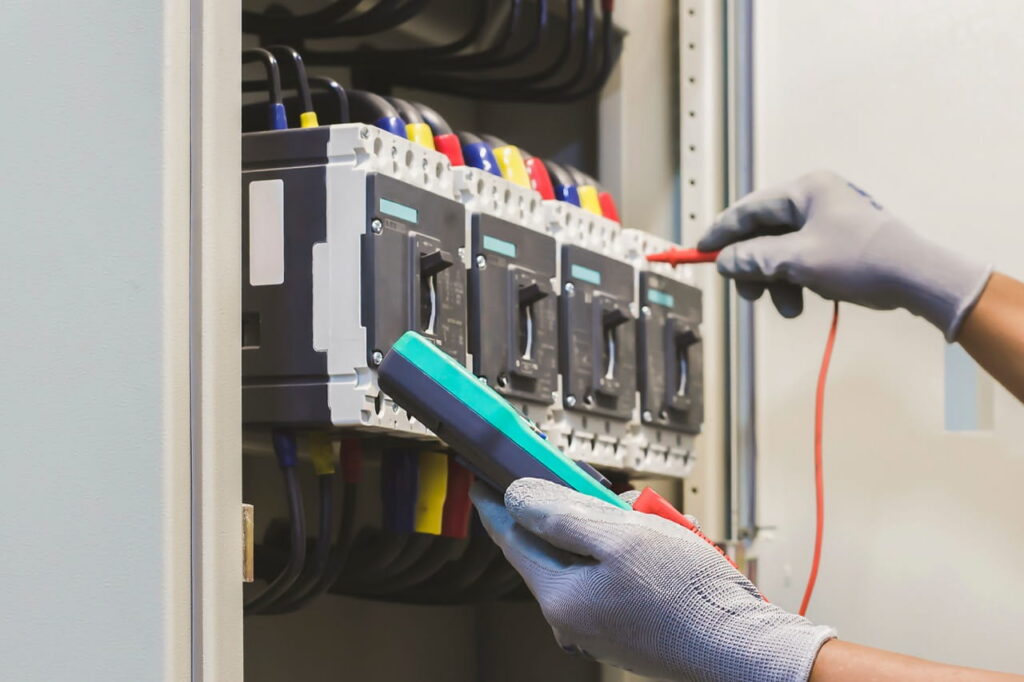
In addition to conducting visual checks, professional inspectors often carry out diagnostic testing to get a full picture of your electrical system. Some subtasks that may be involved in this step are:
- Measuring voltage levels
- Testing circuit continuity
- Verifying breaker operation
- Confirming proper grounding and bonding
- Checking the functionality of safety devices
After these intricate tests, licensed electricians can verify that electrical components are installed correctly and function safely under normal operating conditions.
3. Code Verification
As mentioned earlier, one of the main goals of an electrical inspection is to confirm electrical code compliance with applicable electrical codes, such as:
- City-wide building codes, like Portland’s Title 26 Electrical Regulations
- The Oregon Electrical Specialty Code (OESC) set by the state’s Building Codes Division
- The National Electrical Code (NEC), also known as NFPA 70
Although city and state codes vary based on where you live, the NEC establishes minimum safety standards for electrical design, installation, and maintenance throughout the entire United States. NFPA 70 sets critical requirements for conductor sizing, breaker protection, grounding and bonding, panel labeling, and emergency system integration.
Ensuring compliance with all codes helps prevent violations, failed inspections, and potential legal issues.
4. Recommendations & Reporting
After the inspection is complete, the electrician provides a detailed report outlining findings, areas of concern, and recommended corrective actions. Recommendations may range from minor repairs to larger electrical system upgrades, depending on the inspection results.
These reports are a key component of professional electrical code-compliance services, as they provide clear documentation for property owners, managers, and insurers.
Benefits of Routine Electrical Inspections
Each property may have something slightly different to gain from keeping up with electrical code-compliance services like inspections. Nevertheless, the four advantages mentioned below are the most noteworthy.
Enhanced Safety
Electrical hazards are not always obvious. In fact, many develop gradually as time elapses. However, there is no need to worry, because they can be nipped in the bud early on if property owners routinely schedule inspections.
Some issues code-compliance electrical inspections can identify are:
- Faulty or deteriorating wiring
- Overloaded circuits
- Improper grounding
- Outdated or damaged components
By addressing these issues early, property owners significantly reduce the risk of larger problems, such as electrical fires, shocks, and equipment failures.
Legal & Code Compliance
Local, state, and national codes regulate everything from wire sizing and breaker placement to grounding requirements and emergency systems. Maintaining electrical code compliance is a legal obligation for many properties, especially commercial and multi-tenant residential buildings.
In the Portland metro area, failing to meet code requirements can result in problems like:
- Fines
- Citations
- Failed inspections
- Forced shutdowns
Code-compliance electrical inspections verify that existing systems align with current standards. They provide property owners and managers with documented proof that reduces the risk of violations during permitting, insurance reviews, fire inspections, and regulatory audits.
Operational Reliability
Electrical failures can disrupt business operations, damage expensive equipment, and lead to unexpected downtime. By regularly getting inspections, you can improve reliability and identify weak points in the system before they fail. As a result, commercial properties can experience fewer interruptions, better productivity, and greater confidence in day-to-day operations.
Cost Savings
While inspections require an upfront investment, they often lead to long-term savings. Catching problems early can prevent expensive issues like:
- Emergency repairs
- Equipment damage
- Insurance battles
- Extended downtime
Professional electrical code compliance services act as preventive maintenance for your entire electrical system, essentially saving you money down the road.
Who Should Prioritize Electrical Inspections
If you own property or are planning on conducting a new construction project that falls under one of the categories below, you should schedule a professional inspection to ensure electrical code compliance.
| Category | Examples | Why Electrical Inspections Are Important |
| Commercial Buildings | OfficesWarehousesRetail spacesManufacturing facilities | Commercial electrical systems are complex because they must support more lighting, HVAC, specialized equipment, and various technologies. Routine inspections are key to ensuring safety, uninterrupted operations, and compliance with their stricter regulatory requirements. |
| Residential Properties | Single-family homesMulti-family unitsRental properties | Electrical inspections are also helpful in residential settings, as they verify safety, identify the need for electrical rewiring or upgrades, and provide helpful documentation for landlords and real estate transactions where code compliance is closely reviewed. |
| High-Risk Facilities | HospitalsLaboratoriesData centersIndustrial sites | These facilities have higher electrical demands, as even minor issues can have serious consequences. Fortunately, regular inspections can help ensure dependable, code-compliant systems in these high-risk buildings. |
| Renovation & Expansion Projects | Building remodelsNew facility additionsElectrical system upgrades | Changing layouts, equipment, or electrical loads can affect electrical code compliance. Scheduling inspections before construction and renovations can ensure safe integration with existing systems and help you meet current electrical code requirements. |
How to Get the Most Out of Your Inspection
If you own a property, you must be intentional about scheduling and maintaining your electrical system through code-compliance services. Some important things to prioritize when planning inspections are:
- Regular scheduling – Electrical inspection frequency varies by building type, usage, and local regulations. Still, most commercial properties benefit from scheduling inspections every 1 to 3 years, as it ensures ongoing compliance.
- Hire licensed professionals – Licensed, experienced electricians understand current codes and safety standards, making their inspections thorough, accurate, and defensible, while unqualified inspections can miss critical issues.
- Document findings – Keep track of inspection reports and any documents showing system improvements to confirm electrical code compliance, support insurance claims, and streamline future renovations or upgrades.
- Act on recommendations – After an inspection, promptly address the advised electrical repairs and upgrades to resolve hazards and maintain compliance. Delaying corrective actions can negate the benefits of the inspection.
- Plan for the future – Since electrical inspections provide insight into system limitations and future needs, property owners can use inspection results to plan upgrades, budget for improvements, and prepare for changes in usage.
By focusing on the elements above, property owners can strategically use inspections to support proactive, long-term management of their electrical systems.
Alpha Electrical Can Keep Your Property Safe and Compliant
Scheduling electrical inspections is an important step in keeping your property safe and reliable. By identifying hazards, confirming electrical code compliance, and supporting long-term performance, these professional-led inspections protect people, property, and operations.
If you manage a commercial facility, own a rental property, or plan to oversee a renovation project in the Portland metro area, turn to Alpha Electrical for electrical code-compliance services.
Each of our licensed electricians has extensive experience providing both residential and commercial electrical services throughout Oregon, so we are well-versed in the ever-evolving electrical standards applicable to properties in this area. With Alpha on your side, you can be confident that your inspection will be thorough and the report will be accurate.
Contact Alpha Electrical to schedule fast yet detailed code-compliance electrical inspections that keep your property safe and reliable.